

Professionally installed paint protection film commonly lasts about five to ten years, but the exact lifespan depends on the film, surface preparation, installation quality, driving conditions and maintenance. Premium products may also include longer manufacturer warranties, which should be reviewed separately from the film’s expected service life.
For drivers considering paint protection film in San Diego, the local environment matters. Strong sun, outdoor parking, freeway debris, coastal contaminants and frequent driving can all affect how the film looks and performs over time. Proper installation and routine care help the film provide consistent protection for as long as possible.
Paint Protection Film Lifespan Explained
Paint protection film, also called PPF or clear bra, is a transparent urethane film applied over painted vehicle surfaces. It creates a physical barrier that helps protect the factory finish from rock chips, light scratches, bug residue, road debris and other everyday hazards.
A realistic lifespan for professionally installed PPF is usually measured in years rather than months. Many quality films provide approximately five to ten years of useful protection. The exact result varies because not every film uses the same adhesive, top coat or self-healing technology, and no two vehicles experience identical driving and storage conditions.
A warranty can provide useful information about the manufacturer’s confidence in the product, but it is not a promise that the film will remain visually perfect for the entire warranty period. Warranty coverage may focus on specific defects such as excessive yellowing, bubbling, cracking or adhesive failure. Normal wear, impact damage and improper maintenance may be excluded.
Top Factors That Affect How Long PPF Lasts
1. Film Quality and Technology
The quality of the film is one of the strongest factors in long-term performance. Premium PPF is designed with durable urethane, a stable adhesive layer and a protective top coat. Some products also include self-healing properties that allow light surface marks to become less visible with heat.
Lower-quality film may be more likely to discolor, stain, crack or lose clarity earlier. This is why the product selected for a PPF service matters as much as the amount of coverage. A bumper package, full front PPF and full car PPF can all perform well when the underlying film is built for automotive use and installed correctly.
2. Paint Preparation and Installation
PPF must bond evenly to a clean, stable surface. Dirt, wax, residue, paint defects and contamination left beneath the film can affect adhesion and appearance. Existing chips, scratches or damaged paint should be identified before installation because transparent film does not hide the condition underneath.
Professional installation also reduces the risk of lifted edges, trapped contamination, overstretched material and poor alignment. Complex body lines, badges, trim and panel edges require careful preparation. A precise installation gives the film a better chance of staying secure and looking clean over the long term.
3. Sun, Heat and Environmental Exposure
Modern PPF is designed to tolerate outdoor exposure, but the environment still influences aging. Vehicles parked outside every day receive more UV exposure and heat cycling than vehicles stored in a garage. In San Diego, strong sunlight can place additional stress on exterior materials throughout the year.
Coastal air, bird droppings, bug residue, hard-water spots, tree sap and road contaminants can also affect the film if they remain on the surface. PPF provides a sacrificial barrier, but contaminants should still be removed promptly so they do not stain or degrade the top layer.
4. Washing and Routine Maintenance
Proper washing helps preserve the film’s clarity and edges. Use a gentle automotive shampoo, clean wash media and safe drying methods. Avoid aggressive brushes, harsh chemicals and direct high-pressure spraying along exposed film edges.
Automatic car washes with stiff brushes may create unnecessary wear. Hand washing is generally the safer option, especially for vehicles with partial PPF where film lines are present across a panel. Regular maintenance also makes it easier to identify lifting, impact damage or contamination before a small issue becomes larger.
5. Driving Habits and Physical Damage
A vehicle that spends significant time on freeways, construction-heavy roads or behind large trucks will encounter more debris than a lightly driven vehicle. PPF is designed to absorb routine impacts, but repeated strikes can eventually mark, puncture or tear the film.
Parking conditions matter as well. Tight parking spaces, loading areas, branches and frequent contact around door edges or luggage areas can create localized wear. Full front PPF concentrates protection on the highest-impact areas, while full car PPF extends coverage to side and rear panels that may face different types of contact.
How Can You Make Paint Protection Film Last Longer?
PPF does not require complicated care, but consistent habits make a meaningful difference. The goal is to keep the film clean, protect the edges and address damage early rather than waiting until the surface has deteriorated.
To support a longer PPF lifespan:
- Wait for the installer’s recommended curing period before washing the vehicle.
- Wash with pH-balanced automotive products and soft wash media.
- Remove bird droppings, insects, tree sap and other contaminants promptly.
- Avoid aiming a pressure washer directly at film edges or damaged sections.
- Do not use abrasive polishes or compounds unless they are approved for the film.
- Inspect the vehicle regularly for lifting edges, punctures or trapped contamination.
- Return to a professional installer when a section needs repair or replacement.
When Is PPF Replacement the Right Choice?
PPF does not always need to be replaced simply because it has reached a certain age. Condition matters more than the calendar alone. A well-maintained film may continue to look and perform properly, while a damaged section may need replacement much earlier.
Common signs that replacement should be evaluated include:
- Persistent yellowing, cloudiness or loss of clarity.
- Cracking, brittleness or widespread surface deterioration.
- Edges that continue to lift after professional inspection.
- Deep punctures, tears or impact damage that reaches the film structure.
- Staining that cannot be safely removed.
- Adhesive failure, bubbling or separation from the painted surface.
- A major accident, body repair or panel repainting beneath the film.
Individual panels can often be replaced without removing every section of PPF from the vehicle. For example, a damaged bumper film may be replaced while the hood and fender coverage remains intact. A professional inspection can determine whether the issue is isolated or whether broader replacement would create a more consistent result.
Can PPF Be Removed Without Damaging the Paint?
Professionally installed PPF is designed to be removable, but the condition of the underlying paint is important. Factory paint in good condition is generally the strongest surface for installation and future removal. Repainted panels, failing clear coat, existing chips or poor prior repairs may have a greater risk of paint lifting.
Removal should be completed with controlled heat and proper technique. Pulling old film aggressively or attempting to remove brittle material without the right tools can create unnecessary risk. Before installation, the technician should inspect the paint and explain any concerns related to previous bodywork or damaged finishes.
PPF Lifespan vs Ceramic Coating Lifespan
PPF and ceramic coating protect paint in different ways. PPF is a thicker physical film that helps absorb impacts from rocks, road debris and light contact. Ceramic coating is a liquid-applied protective layer that improves gloss, water behavior, chemical resistance and ease of maintenance, but it does not provide the same impact protection as PPF.
Both products can last for years, but their lifespan depends on the specific product and maintenance program. Some owners combine PPF on high-impact panels with ceramic coating over the film and remaining paint. This approach can provide impact protection where it is needed most while making the overall exterior easier to maintain.
Is Long-Lasting PPF Worth It?
PPF is most valuable when preventing paint damage matters more than selecting the lowest initial cost. Repainting a hood, bumper or specialty finish can be expensive, and paint matching may be difficult on high-value or unusual vehicles. Film provides a replaceable layer that takes much of the routine wear instead of the factory finish.
The strongest value usually comes from choosing coverage based on actual risk. A daily driver may benefit most from a bumper, partial front or full front package. A luxury, collector or specialty vehicle may justify full car PPF when preserving the entire exterior is the priority.
Paint Protection Film Services in San Diego
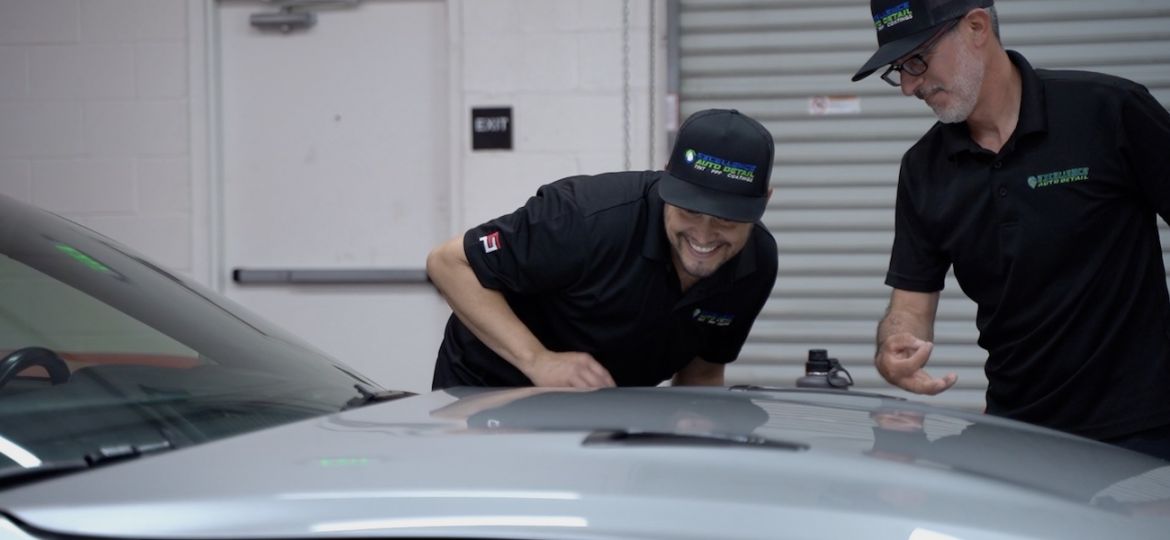
Excellence Auto Detail provides bumper, partial front, full front and full car PPF services in San Diego, National City and surrounding South Bay communities. The team can inspect the paint, review driving and parking conditions, and recommend a coverage level based on how the vehicle is used.
Request a free quote to compare paint protection film options and learn which package fits your vehicle.