

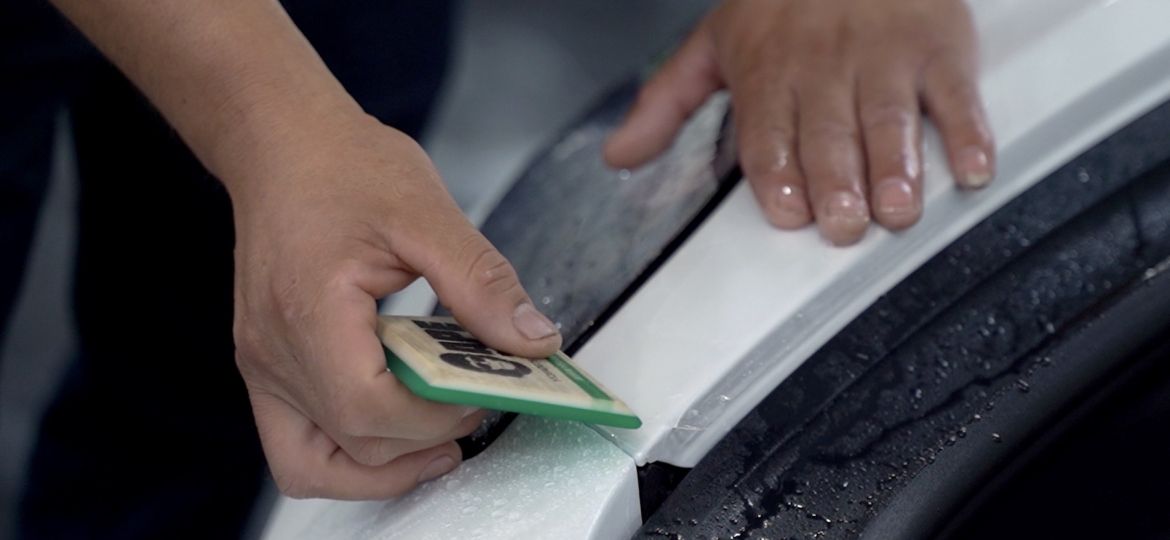
Full front PPF protects the areas most likely to be hit by rocks and road debris, while full car PPF covers nearly the entire painted exterior. The right choice depends on how often you drive, the type of vehicle you own, the condition of the paint and how much coverage you want.
For drivers comparing paint protection film in San Diego, full front coverage is often the practical balance between protection and budget. Full car PPF is the more complete option for owners who want broader protection against chips, light scratches and daily wear across the vehicle.
Paint Protection Film Coverage Explained
Paint protection film, also called PPF or clear bra, is a transparent urethane film installed over painted surfaces. It creates a physical barrier between the factory paint and common road hazards. High-quality film can also include self-healing properties that help light surface marks become less visible with heat.
The main difference between PPF packages is how much of the vehicle they cover. A bumper PPF package protects only a few high-impact areas. Partial PPF extends onto part of the hood and fenders. Full front PPF covers the complete front end, while full car PPF protects all or nearly all painted exterior panels.
What Does Full Front PPF Cover?
A full front PPF package is designed around the areas that receive the most direct exposure to road debris. At Excellence Auto Detail, full front coverage includes the bumper, headlights, complete hood, full front fenders, the front of the side mirrors and the rear luggage area.
This package provides continuous protection across the front of the vehicle rather than leaving a visible film line partway across the hood or fenders. It is a common choice for daily drivers, sports cars and new vehicles that spend significant time on San Diego freeways.
Full front PPF generally protects:
- The complete front bumper.
- The full hood.
- Both full front fenders.
- The headlights.
- The front-facing sections of the side mirrors.
- The rear luggage or loading area, depending on the vehicle.
What Does Full Car PPF Cover?
Full car PPF extends protection beyond the front end to the rest of the painted exterior. Coverage typically includes the doors, quarter panels, roof, trunk, rear bumper and other painted areas in addition to everything included in a full front package.
The goal is to reduce exposed paint across the vehicle. This can be valuable for vehicles with expensive finishes, custom paint, matte paint, limited-production colors or body panels that would be difficult to repair and match. It is also a strong option for owners who want consistent protection rather than protecting only the front.
Full car PPF does not make a vehicle damage-proof. Severe impacts can still damage the film or the panel underneath. However, it provides a sacrificial layer that takes much of the routine contact, contamination and light abrasion that would otherwise reach the paint.
Five Differences Between Full Front and Full Car PPF
1. Total Coverage
Full front PPF focuses on the highest-impact section of the vehicle. It covers the panels most likely to encounter rocks, insects, road salt and debris moving at highway speed. The doors, roof, rear quarter panels and rear bumper remain exposed.
Full car PPF protects the painted exterior from front to rear. This broader coverage is useful when the owner wants consistent protection against parking-lot contact, branches, accidental rubbing, bird droppings and other daily hazards that can affect areas outside the front end.
2. Protection Priorities
The full front option is built primarily around impact protection. It addresses the sections most likely to chip during normal driving. For many drivers, these are the areas where paint damage appears first.
Full car PPF is better suited to owners concerned about the entire exterior. It adds protection to side panels and rear surfaces that may be exposed to tight parking spaces, loading, road grime, vegetation or frequent hand contact.
3. Installation Time
A full car installation requires more film, preparation and installation time because every painted panel must be cleaned, inspected, measured and covered carefully. More complex body shapes, trim, badges and panel edges can also affect the process.
Full front PPF is a more focused project. The exact timeline still depends on the vehicle, paint condition and preparation needs, but the smaller coverage area generally makes it less involved than wrapping the entire painted exterior.
4. Cost Factors
Full car PPF costs more because it uses significantly more material and labor. Vehicle size, body shape, film selection, paint correction and the amount of disassembly required can all influence the final quote.
Full front PPF offers a lower entry point while still protecting the areas most likely to chip. It is often the stronger value for drivers who want meaningful protection but do not need every painted panel covered.
5. Long-Term Ownership Goals
A driver planning to keep a daily-use vehicle for several years may decide that full front coverage addresses the most likely damage without overextending the project. The package protects the front end while leaving room to add ceramic coating or other services to the remaining paint.
Full car PPF may make more sense for a collector vehicle, luxury car, performance vehicle or a new car the owner wants to preserve as carefully as possible. The broader investment is easier to justify when paint condition, originality and long-term appearance are major priorities.
When Is Full Front PPF the Right Choice?
Full front PPF is usually the right choice when the main concern is rock chips and road debris. It protects the most vulnerable areas while keeping the project focused. For many drivers looking for PPF in San Diego, this is the most practical package because regular freeway travel places repeated stress on the front bumper, hood, fenders, mirrors and headlights.
Full front PPF may be the better option when you:
- Use the vehicle as a daily driver.
- Spend significant time on freeways or construction-heavy roads.
- Want to protect a new car before the first chips appear.
- Are mainly concerned about front-end damage.
- Want strong coverage without paying for a complete vehicle installation.
- Plan to combine PPF with ceramic coating on the remaining exterior.
When Is Full Car PPF the Right Choice?
Full car PPF is the stronger choice when you want the most complete paint coverage available. Instead of accepting exposed panels behind the front end, the entire painted exterior receives a protective film layer.
Full car PPF may be worth considering when you:
- Own a luxury, exotic, performance or collector vehicle.
- Want to preserve an unusual, matte or expensive paint finish.
- Are concerned about scratches and contact on side and rear panels.
- Plan to keep the vehicle for many years.
- Want consistent protection across the complete painted exterior.
- Prefer maximum coverage over the lowest initial cost.
What About Partial PPF or Bumper PPF?
Not every vehicle needs full front or full car coverage. A bumper and headlight package protects two of the most exposed areas. Partial PPF can add coverage to part of the hood, part of the front fenders, the side mirrors and other selected surfaces.
These smaller packages can make sense when the budget is limited or when the owner wants protection on a specific area. The tradeoff is that more paint remains exposed, and partial coverage may create a film edge across the hood or fenders. Drivers who want a cleaner transition across the front generally prefer full front PPF.
Is Full Front or Full Car PPF More Worth It?
Full front PPF provides the best balance for many daily-driven vehicles because it concentrates protection where damage is most likely. It is typically the more cost-efficient choice when the goal is to prevent front-end chips without wrapping the complete car.
Full car PPF provides more total protection, but the extra coverage is most valuable when the entire exterior matters. For a high-value vehicle, specialty paint finish or long-term ownership plan, the added protection may justify the larger investment.
The decision should be based on the vehicle rather than the package name alone. Paint condition, mileage, parking environment, road exposure, vehicle value and ownership plans all affect which coverage level delivers the strongest value.
PPF Services in San Diego
Excellence Auto Detail provides bumper, partial, full front and full car PPF services in San Diego, National City and surrounding South Bay communities. The team can inspect the vehicle, review the areas most likely to be damaged and recommend coverage based on how the car is driven and maintained.
Request a free quote to compare full front PPF and full car PPF options for your vehicle.